The Perfectionism Trap: Why 'Good Enough' Wins Every Time
Olha Zaplatynska
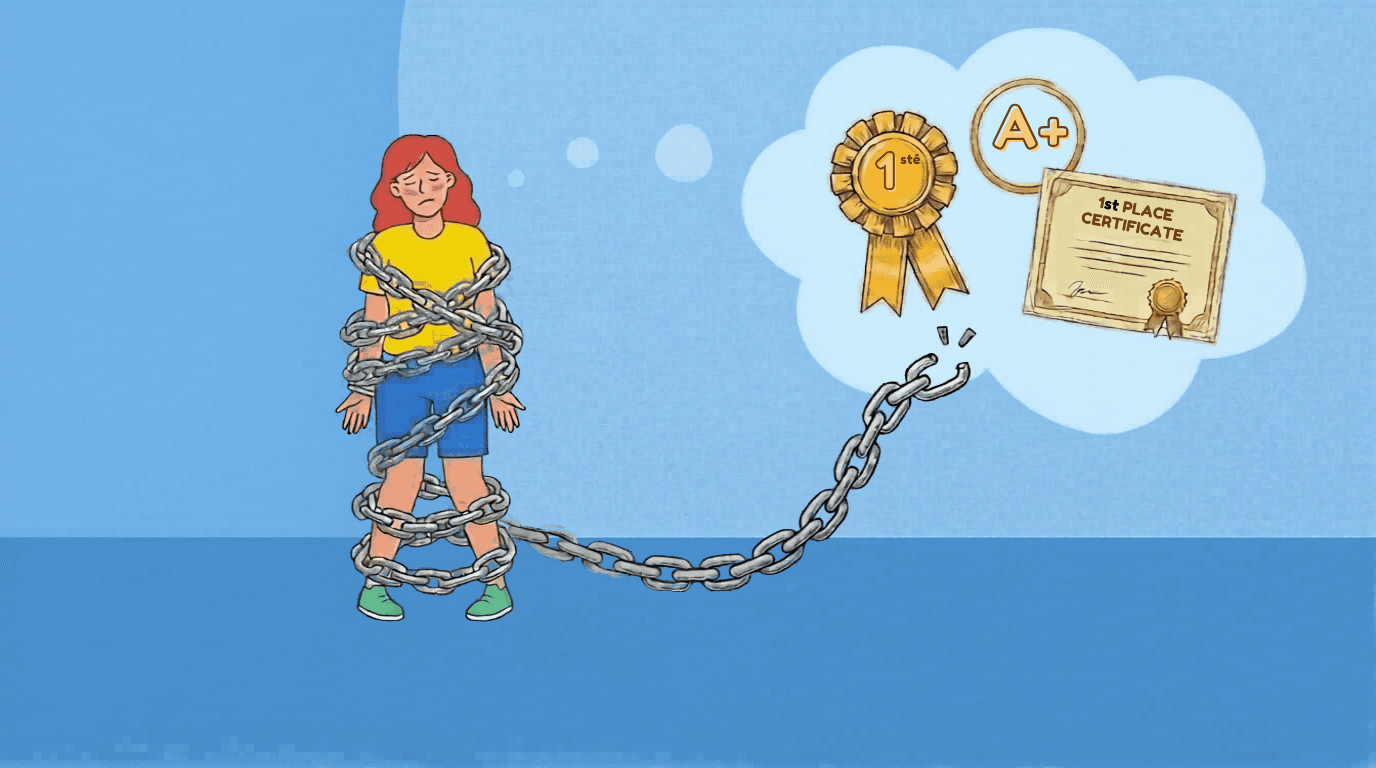
Perfectionism is seductive. It whispers that your work isn't ready, that you need to polish it just a little more, that people will judge you if it's not flawless.
But here's the truth nobody tells you: perfectionism isn't about quality. It's about fear. Fear of judgment, fear of failure, fear of being seen as less than capable.
The hidden cost of waiting for perfect
While you're perfecting version one, someone else has already shipped versions one through five. They've learned from real feedback. They've iterated. They're miles ahead — not because they're more talented, but because they started.
A Stanford study found that "good enough" decision-makers reported 40% higher life satisfaction than maximizers who always sought the best option. They also spent 60% less time deliberating.
Redefining your standard
"Good enough" doesn't mean careless. It means recognizing that the gap between 80% and 100% effort often produces only a 2% improvement in results — while consuming 80% more time and energy.
Your new mantra: "Done is better than perfect, and perfect is the enemy of done."
A practical framework
Before you start any task, define what "done" looks like — in advance. Write it down. When you hit that mark, ship it. Resist the urge to keep tweaking. The world rewards action, not intention.